Culture · Roman Empire
Roman
500 BCE–476 CE, Europe — Mediterranean
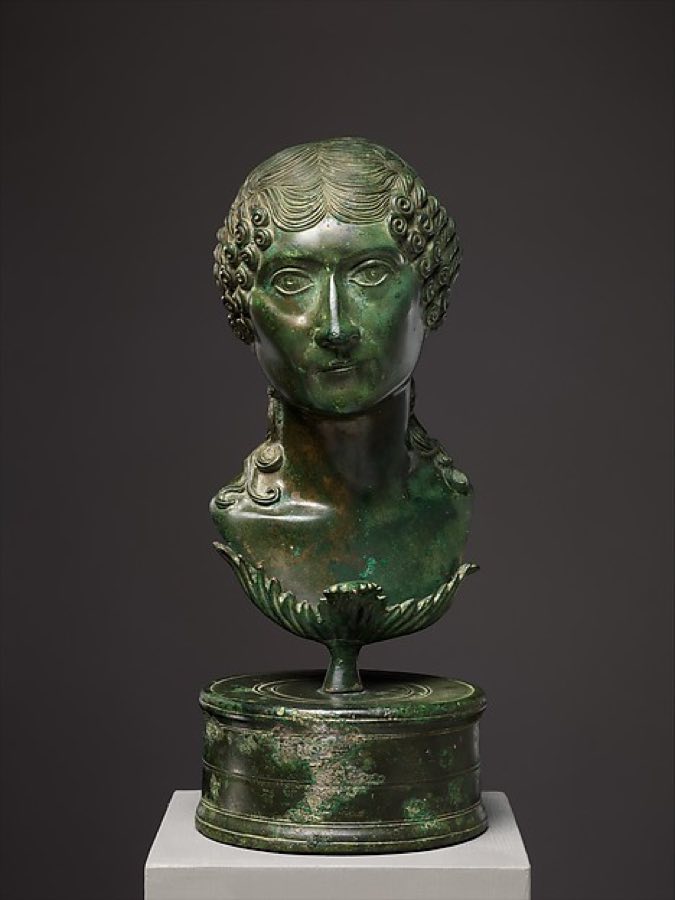
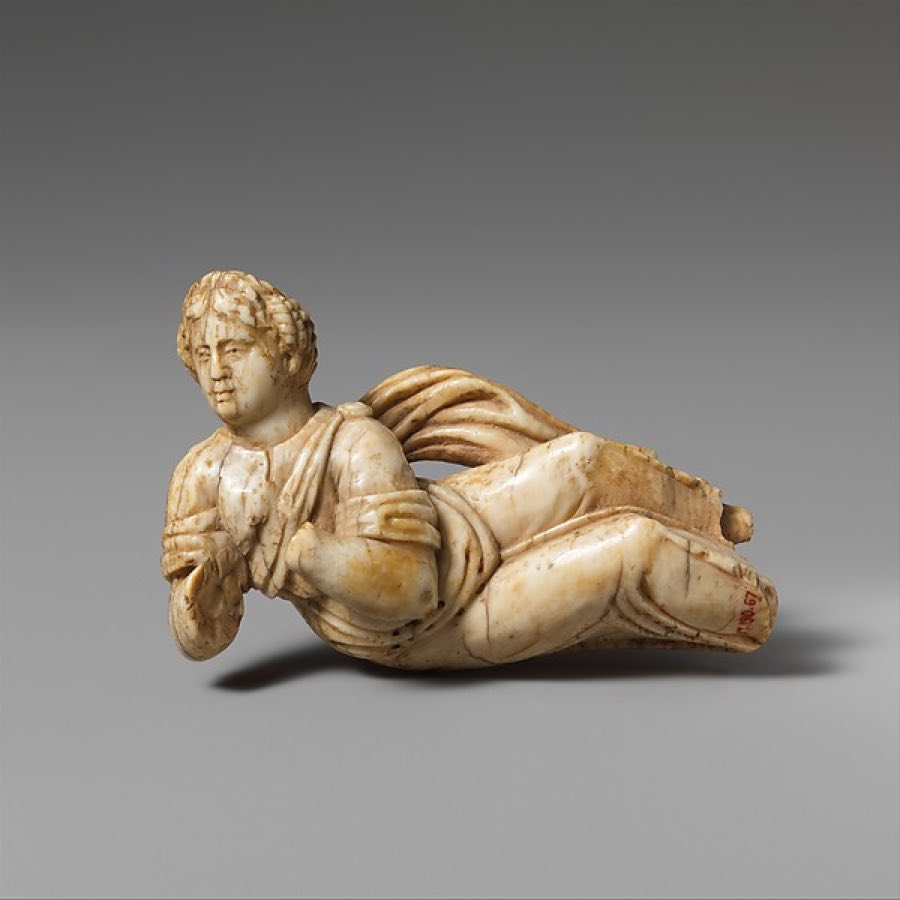
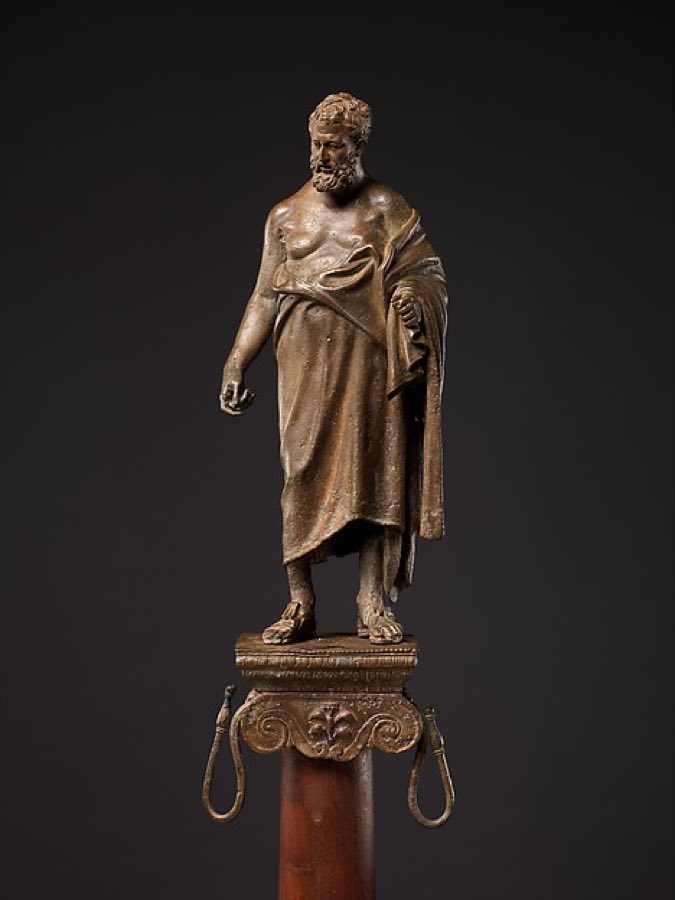
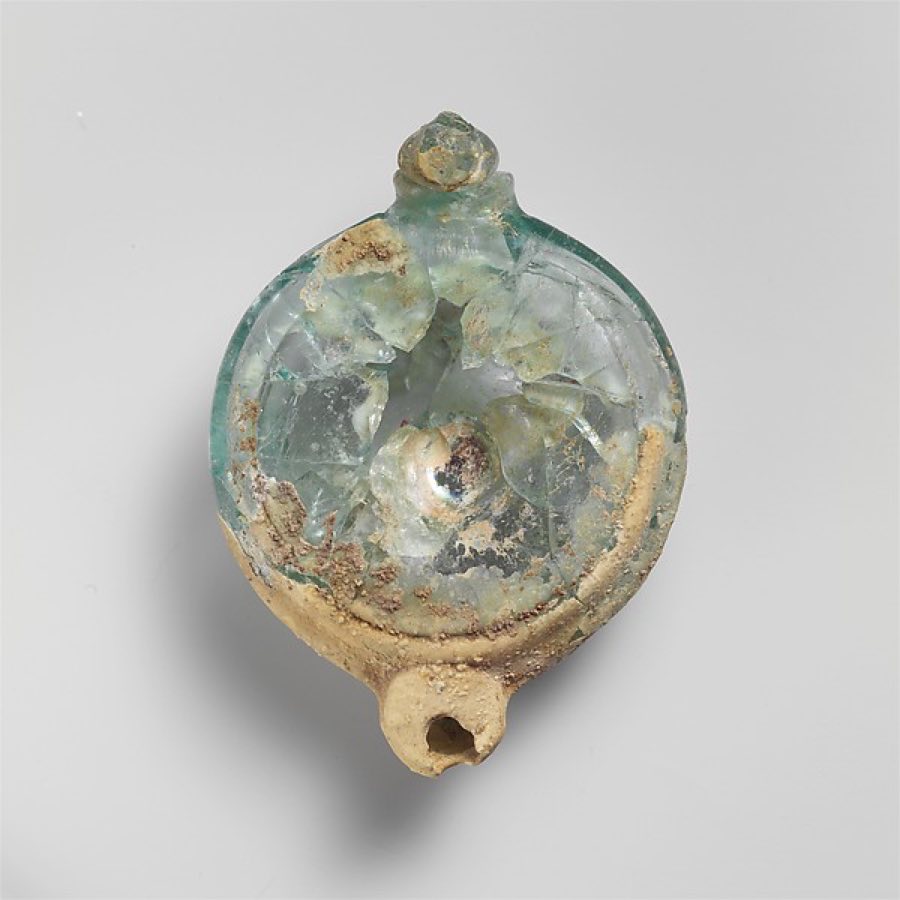
Rome grew from an Italian city-state in the sixth century BCE into an empire spanning from Britain to Mesopotamia, and its material culture is the most abundant in the ancient world. Provincial sites in Britain, Gaul, Germany, the Balkans and North Africa produce enormous quantities of coins, pottery, glass and bronze. Collectors hold coins above all, then oil lamps, samian and coarse pottery, glass unguentaria and bottles, brooches, rings, intaglios, keys and military fittings; marble sculpture and bronzes occupy the top of the market.
| Dates | 500 BCE–476 CE |
|---|---|
| Period | Roman Empire |
| Region | Europe — Mediterranean |
| Areas | Italy, Western Europe, Britain, North Africa, Near East |
| Typical objects | Oil lamp, Amphora, Bowl, Brooch, Glass vessel, Coin, Strigil |
| Typical materials | Terracotta, Bronze, Silver, Glass, Lead |
Identification
Roman finds are identified by standardised forms across the empire: samian ware with potters' stamps, mould-made lamps, Dressel amphorae, blown glass, sprung and hinged brooches and coins with imperial portraits. Regional wares and brooch types allow closer dating and provenance. Mortaria, tegulae and hobnails are common site finds that rarely reach the market.
Legality
In Britain, Roman objects from private land are the finder's with landowner agreement, recorded through the Portable Antiquities Scheme and subject to the Treasure Act for gold, silver and hoards; in Italy, Greece, Turkey, Egypt and most of the Mediterranean, antiquities are state property and export is prohibited, with US CPIA import restrictions in force for Italy, Greece, Cyprus, Egypt, Turkey, Libya and others. Coins are the most freely traded category but also fall under some CPIA lists.
Reproductions and fakes
Roman coins are faked in huge numbers by casting and by modern dies, including the Bulgarian and Chinese products flooding online auctions. Oil lamps are reproduced from ancient moulds and modern ones, glass is imitated with modern iridescence and brooches are cast copies with paint patina. Sculpture is the most dangerous category, with modern Italian and Middle Eastern workshops producing heads and reliefs.
Photographs
Elsewhere
- met: 254698
- Wikidata: Q2254859
- Wikipedia: Roman polytheistic reconstructionism
Cite this article
Stratum Study. "Roman" (Culture). Stratum Study pack 2026.09, as of 2026-09-21. https://stratum.black/study/cultures/roman. Accessed 2026-09-21.
@misc{stratum-roman,
  title        = {Roman},
  author       = {{Stratum Study}},
  howpublished = {\url{https://stratum.black/study/cultures/roman}},
  year         = {2026},
  note         = {Culture article, Stratum Study pack 2026.09, as of 2026-09-21; sources: stratum, wikidata, met. Accessed 2026-09-21.}
}
Citations carry the pack version and the article's as-of date so they resolve to the same text later. The facts themselves belong to the sources listed below; cite those for the science.