
Culture · New Kingdom
Dynastic Egypt
3100–330 BCE, Egypt & Nile Valley
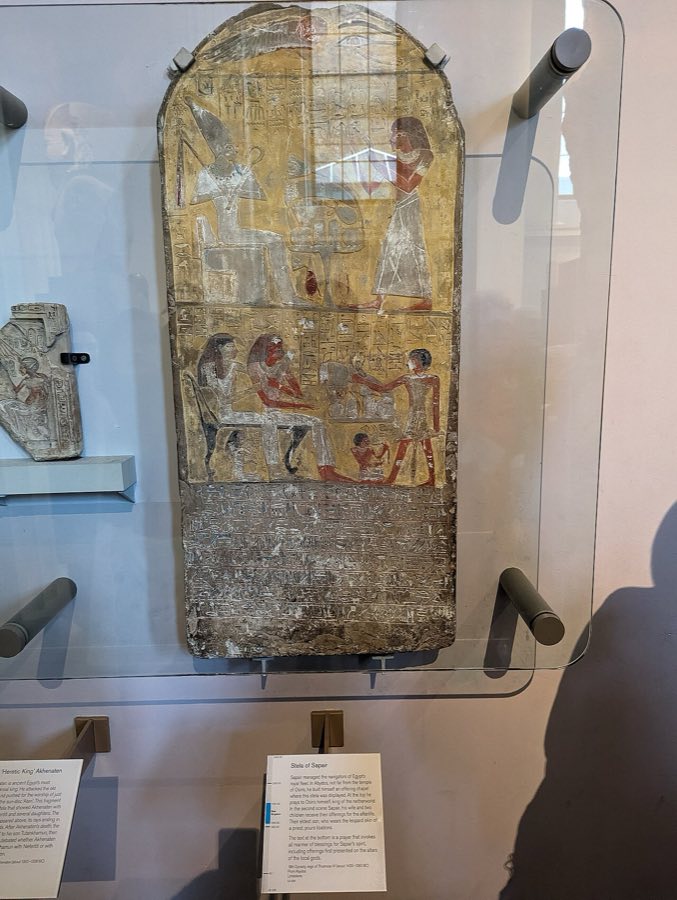
Dynastic Egypt covers the pharaonic civilisation from unification around 3,100 BCE through the Old, Middle and New Kingdoms to the Late Period and the Ptolemies, ending with Roman annexation in 30 BCE. Its tombs and temples produced the most recognisable antiquities in the world. Collectors hold faience ushabtis, amulets and beads, scarabs, bronze votive figures of Osiris and other gods, wooden and stone fragments, cartonnage, and, at the top, statuary, coffins and relief; the market has been supplied since the eighteenth century and old collections are the legitimate source.
| Dates | 3100–330 BCE |
|---|---|
| Period | New Kingdom |
| Region | Egypt & Nile Valley |
| Areas | Egypt, Nubia |
| Typical objects | Ushabti, Amulet, Canopic jar, Figurine, Bead |
| Typical materials | Faience, Terracotta, Steatite, Bronze, Gold |
Identification
Ushabtis in faience, wood and stone with inscribed spells, scarabs of steatite and faience, amulets of Eye of Horus, djed and scarab types, bronze deity figures with hollow cores and Ptah-Sokar-Osiris figures are the staple objects. Materials, glaze colours, hieroglyphic forms and iconography allow dating by dynasty. Canopic jars, offering tables and relief fragments come from tomb chapels.
Legality
Egyptian antiquities are state property under the 1983 law and cannot be exported; the United States restricts imports under a CPIA agreement since 2016 and prosecutes smuggling. Legitimate trade depends on pre-1983 export documentation, older auction records or museum deaccession papers, and forged provenance documents are a known problem.
Reproductions and fakes
Egyptian fakes are an industry: ushabtis and amulets are cast in modern faience and resin, scarabs are carved in bulk in Luxor, bronzes are cast from originals and patinated, and wooden figures are assembled from old and new parts. Signs include soft or bright glazes without weathering, hieroglyphs that make no sense, and a glue-like patina. Thermoluminescence and metallurgical analysis help, but provenance is decisive.
Cite this article
Stratum Strata. "Dynastic Egypt" (Culture). Stratum Strata pack 2026.09, as of 2026-09-21. https://stratum.black/strata/cultures/dynastic-egypt. Accessed 2026-09-21.
@misc{stratum-dynastic-egypt,
  title        = {Dynastic Egypt},
  author       = {{Stratum Strata}},
  howpublished = {\url{https://stratum.black/strata/cultures/dynastic-egypt}},
  year         = {2026},
  note         = {Culture article, Stratum Strata pack 2026.09, as of 2026-09-21; sources: stratum, commons. Accessed 2026-09-21.}
}
Citations carry the pack version and the article's as-of date so they resolve to the same text later. The facts themselves belong to the sources listed below; cite those for the science.