
Culture · Classical Greek
Ancient Greece
800–30 BCE, Europe — Mediterranean
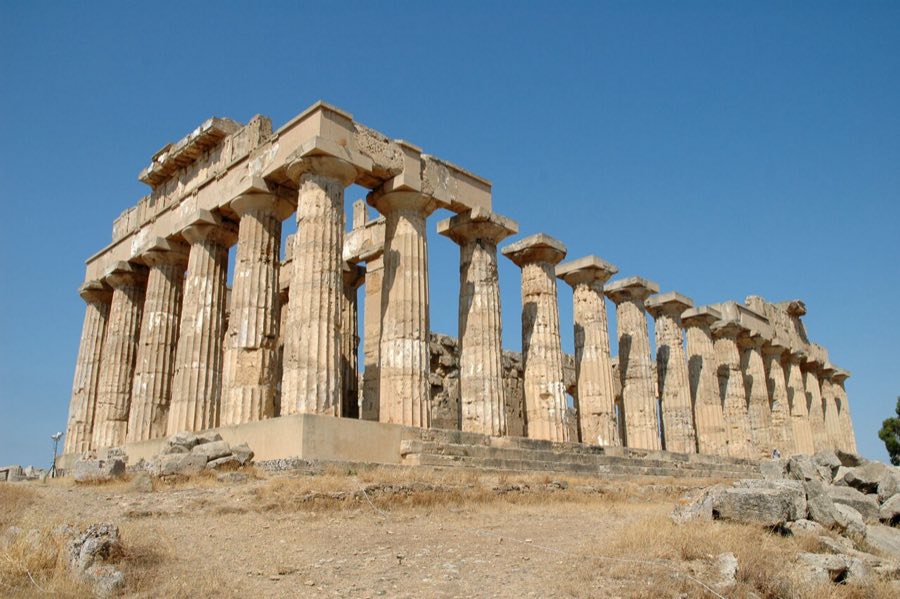
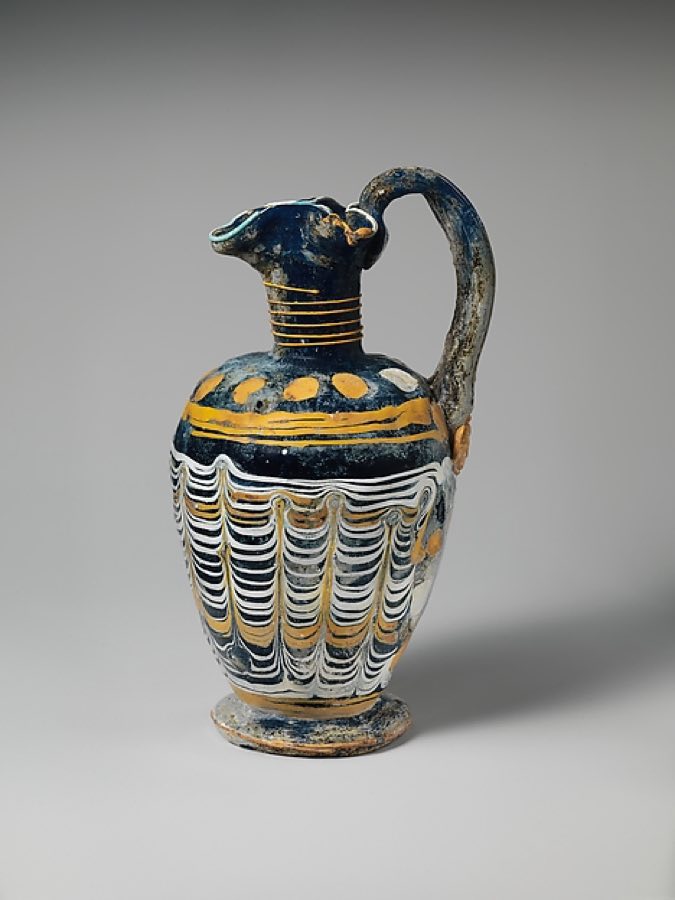
Ancient Greece here spans the Archaic, Classical and Hellenistic worlds from about 800 to 30 BCE, from the Aegean homeland to Magna Graecia and the eastern kingdoms of Alexander's successors. Its pottery, sculpture and coinage set the standard for the western tradition. Collectors hold black- and red-figure vases and lekythoi, terracotta Tanagra figurines, bronze vessels and strigils, silver and bronze coins and small gold jewellery; marble sculpture is largely restricted to museums and the top of the market.
| Dates | 800–30 BCE |
|---|---|
| Period | Classical Greek |
| Region | Europe — Mediterranean |
| Areas | Greece, Aegean, Magna Graecia, Ionia |
| Typical objects | Amphora, Vessel, Coin, Figurine, Strigil |
| Typical materials | Terracotta, Silver, Bronze |
Identification
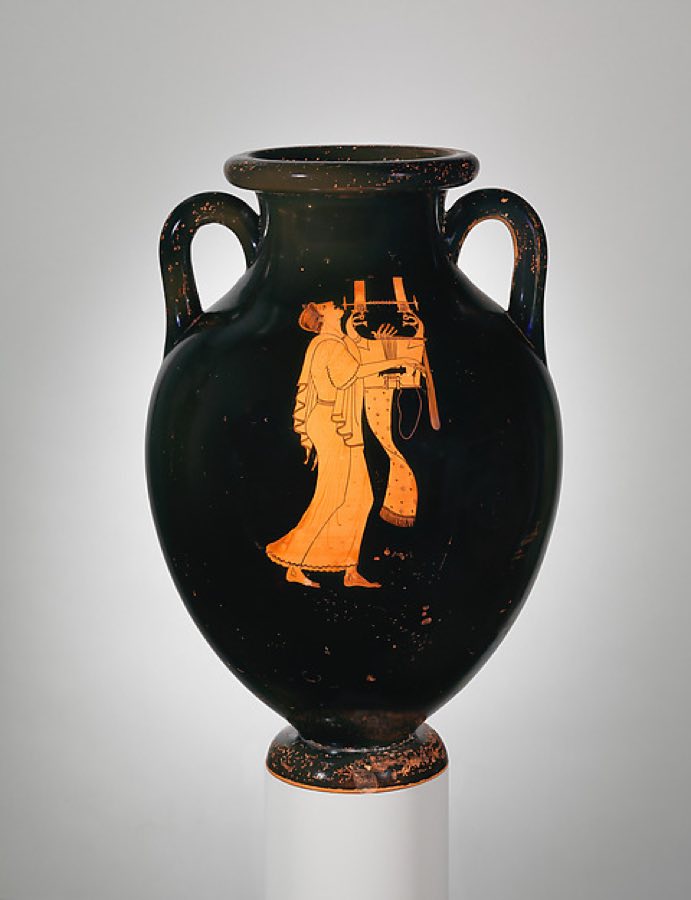
Attic black-figure and red-figure vases, with their glossy black slip and incised or reserved figures, are the best-known objects and are attributed to painters by style. Corinthian, South Italian and Hellenistic wares each have distinct fabrics. Coins bear city badges such as the Athenian owl, and terracottas were mould-made in Tanagra and Myrina. Bronze helmets, mirrors and strigils are typical grave goods.
Legality
Greece claims all antiquities as state property under its 2002 law and forbids export, Italy does the same for Magna Graecia, and Turkey for Ionia; the US restricts imports from Greece, Italy, Cyprus and Turkey under the CPIA. Coins and small objects circulate widely but the CPIA now covers Greek coins of certain types, so provenance matters even for numismatics.
Reproductions and fakes
Greek vases are extensively restored and repainted, with missing areas filled and figures completed; ultraviolet light and solvents reveal it. Outright fakes of Attic pottery exist, as do modern Tanagra figurines from the nineteenth century onward. Coins are struck from modern dies or cast, and 'Greek' bronze helmets are reproduced for reenactors and aged.
Photographs
Elsewhere
- met: 257880
- Wikidata: Q11772
- Wikipedia: Ancient Greece
Cite this article
Stratum Study. "Ancient Greece" (Culture). Stratum Study pack 2026.09, as of 2026-09-21. https://stratum.black/study/cultures/ancient-greece. Accessed 2026-09-21.
@misc{stratum-ancient-greece,
  title        = {Ancient Greece},
  author       = {{Stratum Study}},
  howpublished = {\url{https://stratum.black/study/cultures/ancient-greece}},
  year         = {2026},
  note         = {Culture article, Stratum Study pack 2026.09, as of 2026-09-21; sources: stratum, wikidata, commons, met. Accessed 2026-09-21.}
}
Citations carry the pack version and the article's as-of date so they resolve to the same text later. The facts themselves belong to the sources listed below; cite those for the science.