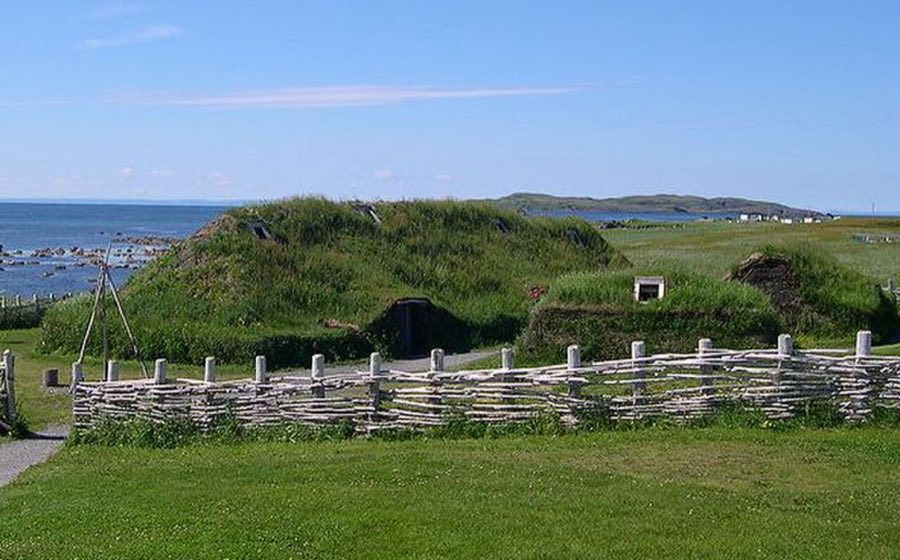

Culture · Early Medieval
Viking
793–1066 CE, Europe — Northern & British Isles
The Viking Age, conventionally 793 to 1066, saw Scandinavians raid, trade and settle across the British Isles, Iceland, the Baltic, Russia and beyond. Their sites include the towns of Birka, Hedeby and Dublin, rural farmsteads and the graves at Oseberg and Gokstad. Collectors hold iron axe heads and spearheads, oval and penannular brooches, silver hack-silver and dirhams, glass and amber beads, whetstones and pennies from Viking-age mints.
| Dates | 793–1066 CE |
|---|---|
| Period | Early Medieval |
| Region | Europe — Northern & British Isles |
| Areas | Scandinavia, British Isles, Iceland, Baltic, Russia |
| Typical objects | Axe head, Brooch, Sword, Coin, Bead |
| Typical materials | Iron, Bronze, Silver |
Identification
Oval tortoise brooches worn in pairs by women, penannular and trefoil brooches, Thor's hammer pendants and Borre, Jelling, Mammen, Ringerike and Urnes animal styles mark Viking metalwork. Axes are classified by Petersen's typology, and swords have distinctive hilt types. Hack-silver, ingots and Islamic dirhams reflect the bullion economy.
Legality
In England and Ireland, Viking finds follow the PAS and Treasure Act or Irish national monuments law, which vests all archaeological objects in the Irish state; in Scandinavia finds are regulated under danefæ and equivalent laws that give the state first claim on precious-metal and significant finds. Weapons from Scandinavian graves are museum property, and the market is dominated by British and Baltic detector finds.
Reproductions and fakes
Viking axes and swords are the most faked category, both as modern reproductions and as Eastern European iron finds relabelled as Viking; genuine iron shows lamination, deep corrosion and wood in the socket. Thor's hammers and brooches are cast new from originals and given artificial patina. Amber and glass beads are ancient in form but frequently modern.
Elsewhere
- Wikidata: Q24175569
- Wikipedia: Norse culture
Cite this article
Stratum Study. "Viking" (Culture). Stratum Study pack 2026.09, as of 2026-09-21. https://stratum.black/study/cultures/viking. Accessed 2026-09-21.
@misc{stratum-viking,
  title        = {Viking},
  author       = {{Stratum Study}},
  howpublished = {\url{https://stratum.black/study/cultures/viking}},
  year         = {2026},
  note         = {Culture article, Stratum Study pack 2026.09, as of 2026-09-21; sources: stratum, wikidata, commons. Accessed 2026-09-21.}
}
Citations carry the pack version and the article's as-of date so they resolve to the same text later. The facts themselves belong to the sources listed below; cite those for the science.