
Culture · Late Classic
Maya
1000 BCE–1521 CE, Mesoamerica
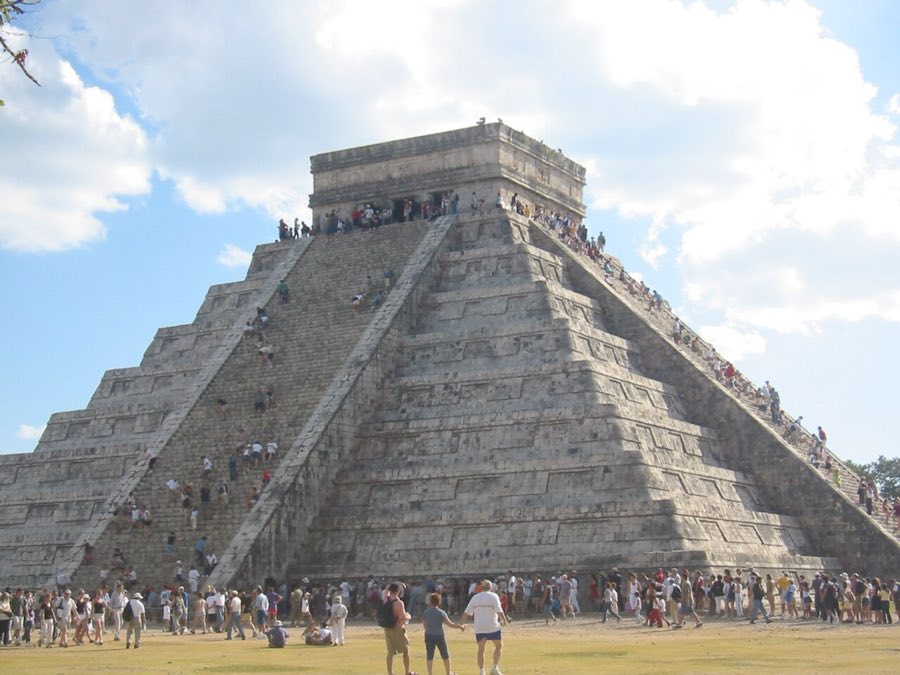
The Maya of Yucatán, Guatemala, Belize, Chiapas and western Honduras developed a literate civilisation from Preclassic beginnings around 1,000 BCE to the Spanish conquest, with the Late Classic (600 to 900 CE) as its artistic peak. They built stone cities such as Tikal, Copán and Palenque and wrote in a fully phonetic script. Collectors hold polychrome vases and plates, Jaina figurines, jade beads and pendants, eccentric flints, obsidian blades and, illicitly, carved stelae fragments; painted vases and figurines are the most traded and most looted categories.
| Dates | 1000 BCE–1521 CE |
|---|---|
| Period | Late Classic |
| Region | Mesoamerica |
| Areas | Yucatán, Guatemala, Belize, Chiapas, Honduras |
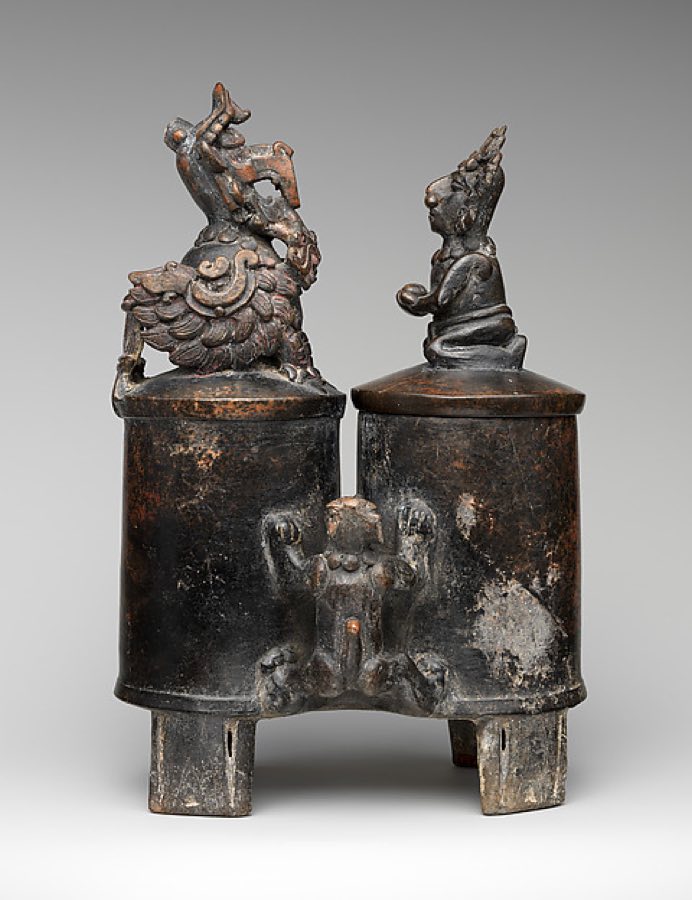
| Typical objects | Vessel, Figurine, Blade, Pendant, Bead |
| Typical materials | Terracotta, Jade, Obsidian, Marine shell |
Identification
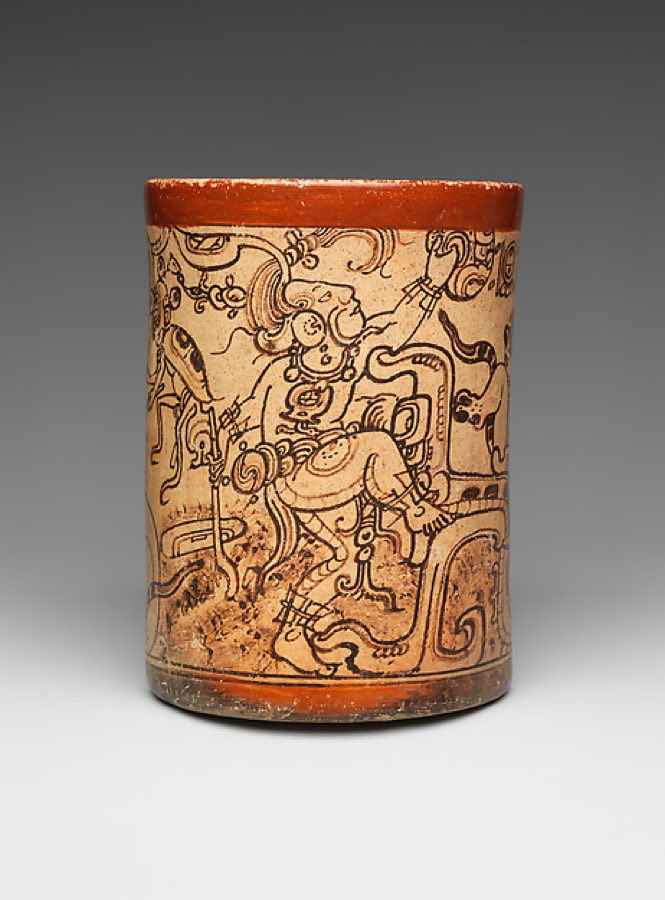
Late Classic polychrome vases carry court scenes and glyph bands in red, black and orange on cream; Jaina figurines are hollow, often whistles, with realistic dress. Eccentric flints and obsidians, jade belt plaques and mosaic masks, incised bone and carved shell are all distinctive. Postclassic material includes Plumbate ware and mould-made incense burners from Mayapán.
Legality
Guatemala, Mexico, Belize and Honduras all vest ownership of pre-Hispanic antiquities in the state and prohibit export, and the United States restricts import from all four under the CPIA and the 1972 Pre-Columbian statute. Looting of Maya sites for vases and stelae has been a major driver of these laws, and museums now decline unprovenanced Maya art.
Reproductions and fakes
Maya polychrome vases are heavily repainted, with genuine plain vessels 'enhanced' with new scenes and glyphs; ultraviolet light and solvent tests reveal modern paint. Jaina figurines are faked in modern moulds and Jade is substituted with dyed quartz or serpentine. Thermoluminescence testing is standard for any ceramic offered at a high price.
Photographs
Elsewhere
- met: 310542
- Wikidata: Q28567
- Wikipedia: Maya civilization
Cite this article
Stratum Strata. "Maya" (Culture). Stratum Strata pack 2026.09, as of 2026-09-21. https://stratum.black/strata/cultures/maya. Accessed 2026-09-21.
@misc{stratum-maya,
  title        = {Maya},
  author       = {{Stratum Strata}},
  howpublished = {\url{https://stratum.black/strata/cultures/maya}},
  year         = {2026},
  note         = {Culture article, Stratum Strata pack 2026.09, as of 2026-09-21; sources: stratum, wikidata, commons, met. Accessed 2026-09-21.}
}
Citations carry the pack version and the article's as-of date so they resolve to the same text later. The facts themselves belong to the sources listed below; cite those for the science.