Culture · Early Dynastic
Sumerian
3500–2000 BCE, Near East & Mesopotamia
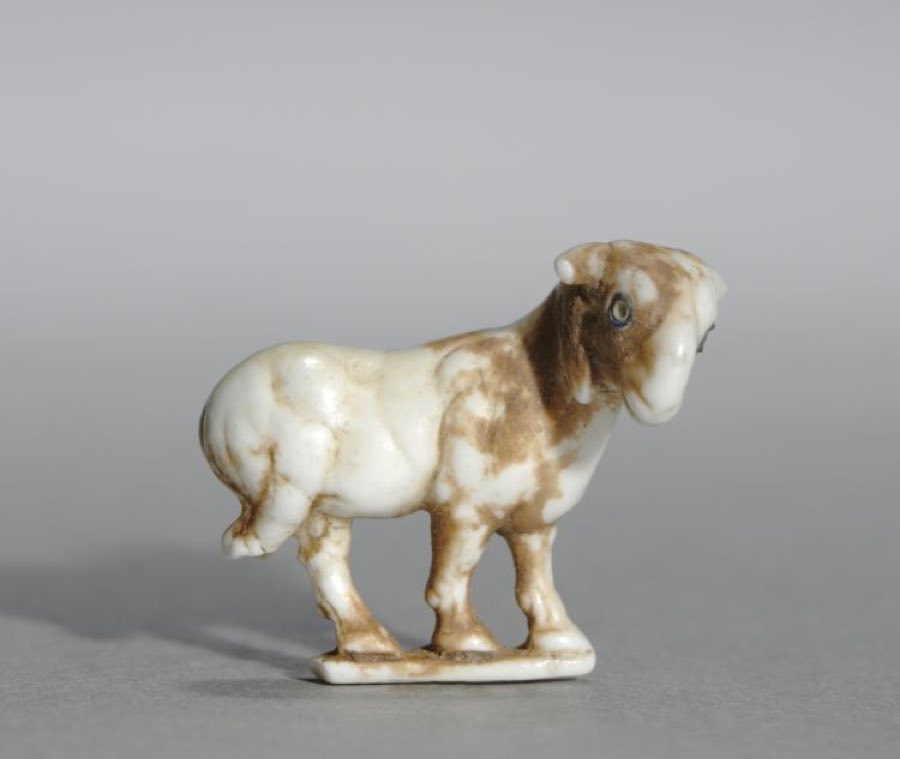
Sumer was the civilisation of southern Mesopotamia from the Uruk period around 3,500 BCE through the Early Dynastic and Ur III periods to about 2,000 BCE, credited with cities, writing, the wheel and the earliest law codes. Its sites include Ur, Uruk, Lagash and Nippur. Collectors hold cuneiform tablets, cylinder seals, small stone figurines, shell inlay, beads and pottery, though the 2003 looting of Iraqi sites has placed most unprovenanced material under a cloud.
| Dates | 3500–2000 BCE |
|---|---|
| Period | Early Dynastic |
| Region | Near East & Mesopotamia |
| Areas | Southern Mesopotamia, Iraq |
| Typical objects | Tablet, Seal, Figurine, Bead |
| Typical materials | Terracotta, Steatite, Marine shell |
Identification
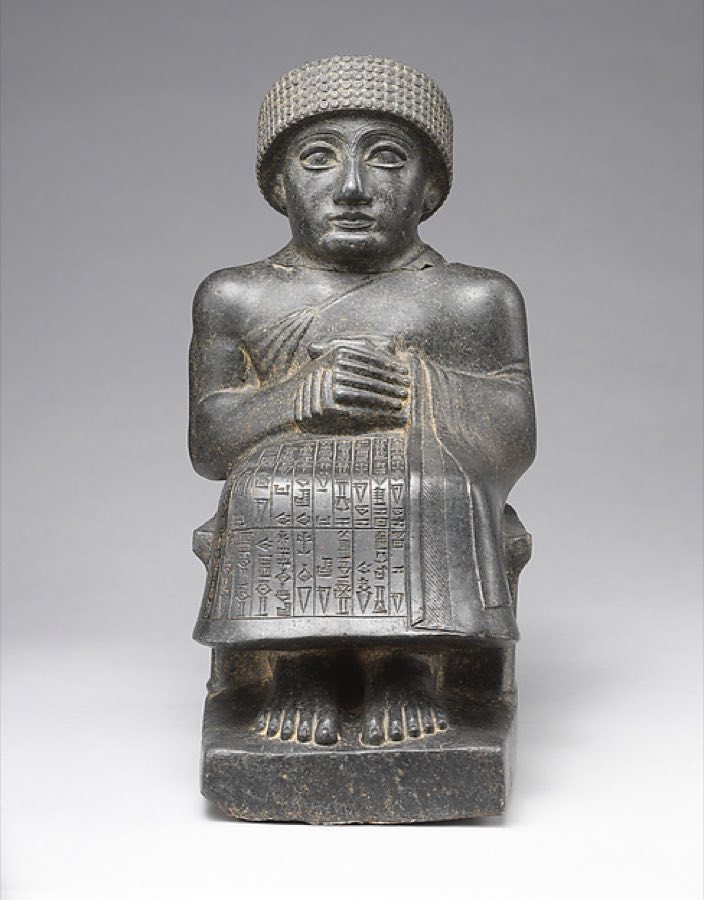
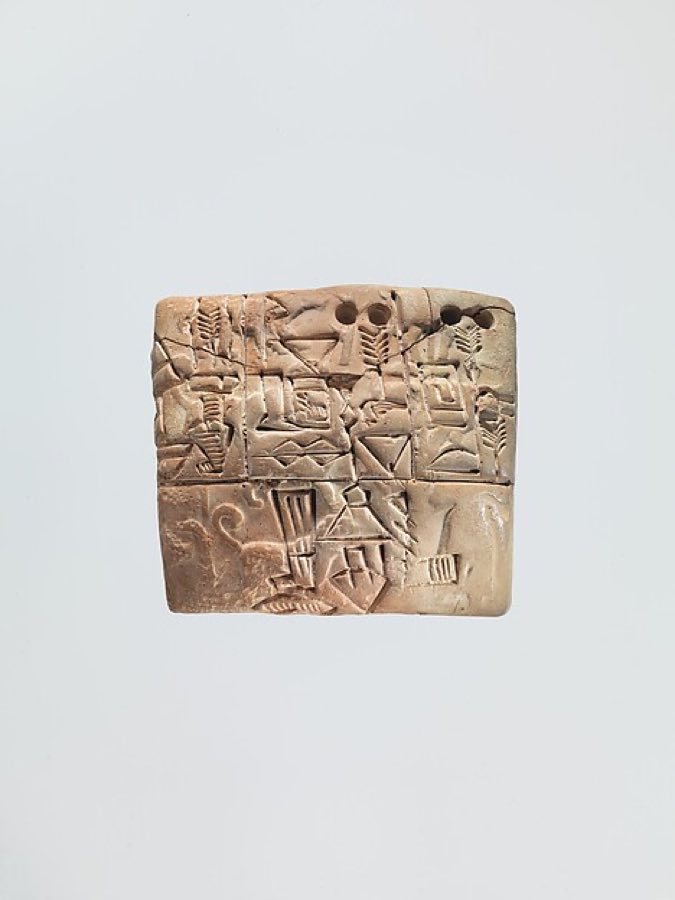
Cuneiform tablets in clay with wedge-impressed signs, cylinder seals in shell, lapis, steatite and haematite showing contests and presentation scenes, and votive statues with clasped hands and inlaid eyes are the classic objects. Foundation cones and bricks with stamped inscriptions, shell and lapis inlay, and painted Jemdet Nasr pottery are also traded. Bevel-rim bowls are the Uruk period's mass-produced type.
Legality
Iraq has vested antiquities in the state since 1936 and prohibits export; the United States has restricted imports of Iraqi archaeological material since 2004 and the UN sanctions regime applies. Objects with documented pre-1990 histories can be traded, but unprovenanced tablets and seals are now refused by major auction houses and have led to prosecutions and forfeitures.
Reproductions and fakes
Cylinder seals are cut new in modern workshops in the Near East and sold in bulk, with signs including rotary-tool grooves, modern bore holes and crisp, unweathered edges. Cuneiform tablets are forged in modern clay with pseudo-signs or copied from publications, and thermoluminescence can expose them. Votive figures and inlays are also reproduced.
Photographs
Elsewhere
- met: 329072
- Wikidata: Q656043
- Wikipedia: Sumerians
Cite this article
Stratum Study. "Sumerian" (Culture). Stratum Study pack 2026.09, as of 2026-09-21. https://stratum.black/study/cultures/sumerian. Accessed 2026-09-21.
@misc{stratum-sumerian,
  title        = {Sumerian},
  author       = {{Stratum Study}},
  howpublished = {\url{https://stratum.black/study/cultures/sumerian}},
  year         = {2026},
  note         = {Culture article, Stratum Study pack 2026.09, as of 2026-09-21; sources: stratum, wikidata, met, cleveland. Accessed 2026-09-21.}
}
Citations carry the pack version and the article's as-of date so they resolve to the same text later. The facts themselves belong to the sources listed below; cite those for the science.