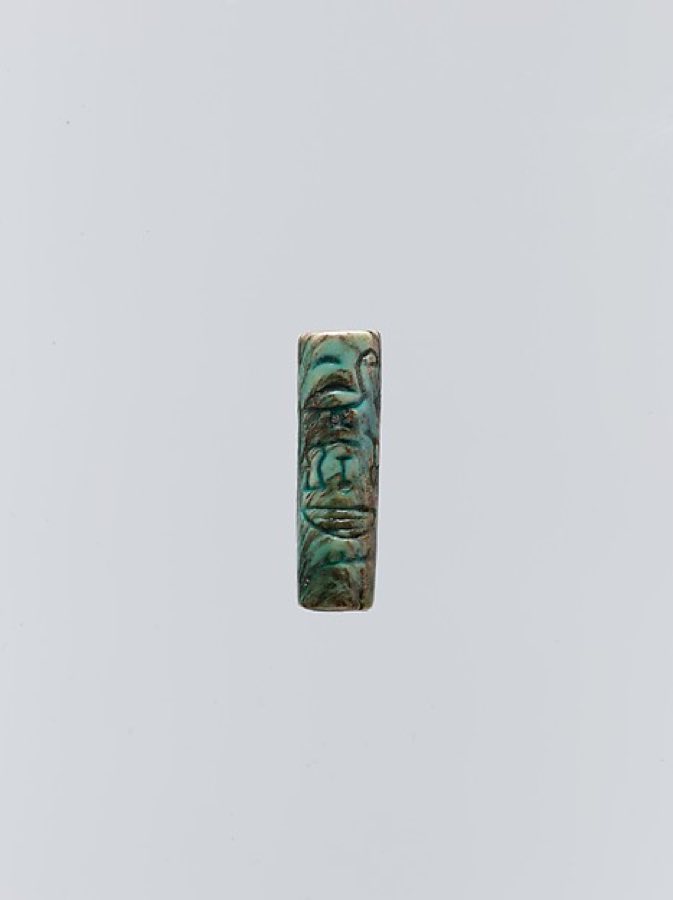
Seal · Uruk
Cylinder seal
3500–300 BCE, Sumerian
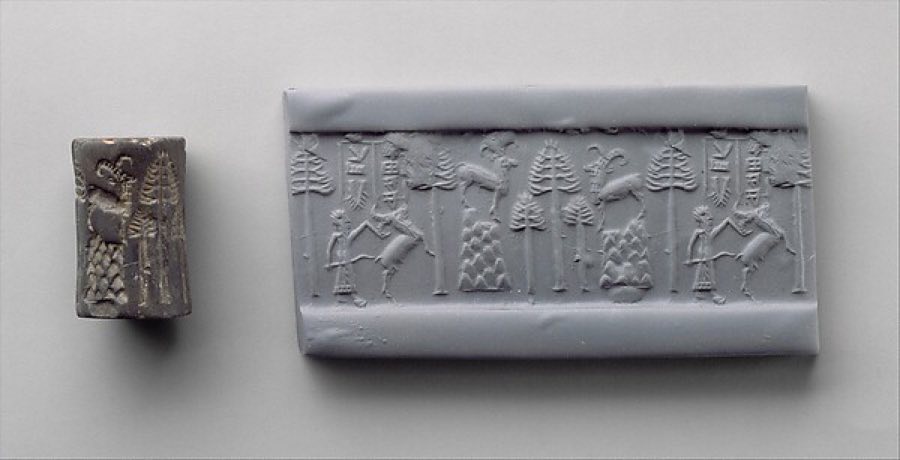
The cylinder seal is the engraved stone cylinder rolled on clay to leave a continuous frieze, used in Mesopotamia and neighbouring lands from about 3,500 to 300 BCE to mark ownership and authenticate documents. Contest, banquet, presentation and mythological scenes and inscriptions date them by period. Seals are small, portable and heavily collected.
| Object | Seal |
|---|---|
| Dates | 3500–300 BCE |
| Period | Uruk |
| Cultures | Sumerian |
| Regions | Near East & Mesopotamia |
Diagnostic traits
Small cylinder of stone or shell engraved in intaglio so that rolling it on clay leaves a continuous frieze; usually pierced lengthwise.
Identification
The pierced cylinder with intaglio design distinguishes it from stamp seals; Uruk seals show animals and rituals, Akkadian seals fine contest scenes, Old Babylonian seals haematite presentation scenes and Neo-Assyrian seals chalcedony with archers and monsters. Material and drilling technique are period indicators. Impressions are made for study.
Reproductions and fakes
Cut in modern workshops in Syria, Iraq and Iran with rotary tools, sometimes on genuine ancient blanks; look for circular striations, crisp edges and unworn perforations. Provenance is essential and unprovenanced seals are increasingly refused.
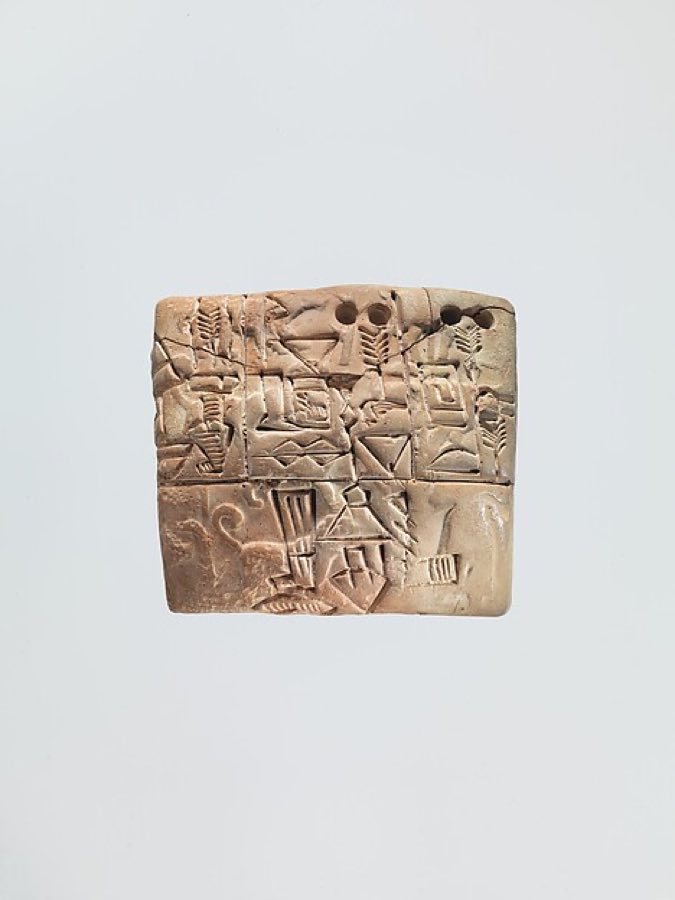
Photographs
Elsewhere
- met: 555113
Cite this article
Stratum Study. "Cylinder seal" (Artifact type). Stratum Study pack 2026.09, as of 2026-09-21. https://stratum.black/study/types/cylinder-seal. Accessed 2026-09-21.
@misc{stratum-cylinder-seal,
  title        = {Cylinder seal},
  author       = {{Stratum Study}},
  howpublished = {\url{https://stratum.black/study/types/cylinder-seal}},
  year         = {2026},
  note         = {Artifact type article, Stratum Study pack 2026.09, as of 2026-09-21; sources: stratum, met. Accessed 2026-09-21.}
}
Citations carry the pack version and the article's as-of date so they resolve to the same text later. The facts themselves belong to the sources listed below; cite those for the science.