Culture · Neo-Assyrian
Assyrian
1400–609 BCE, Near East & Mesopotamia
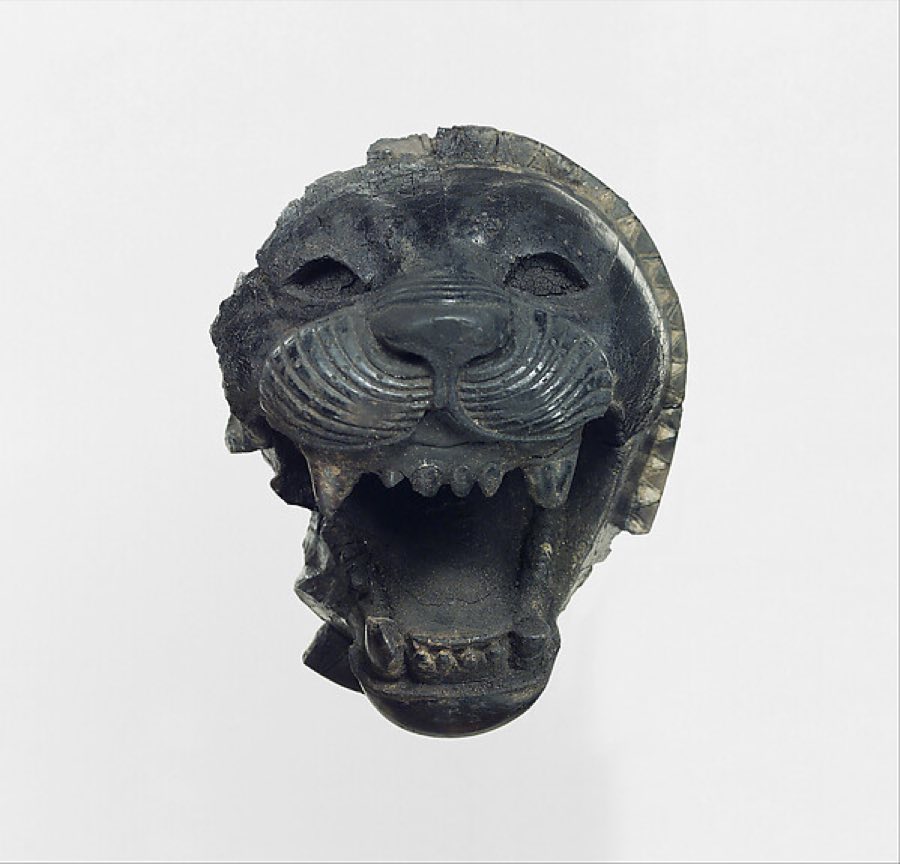
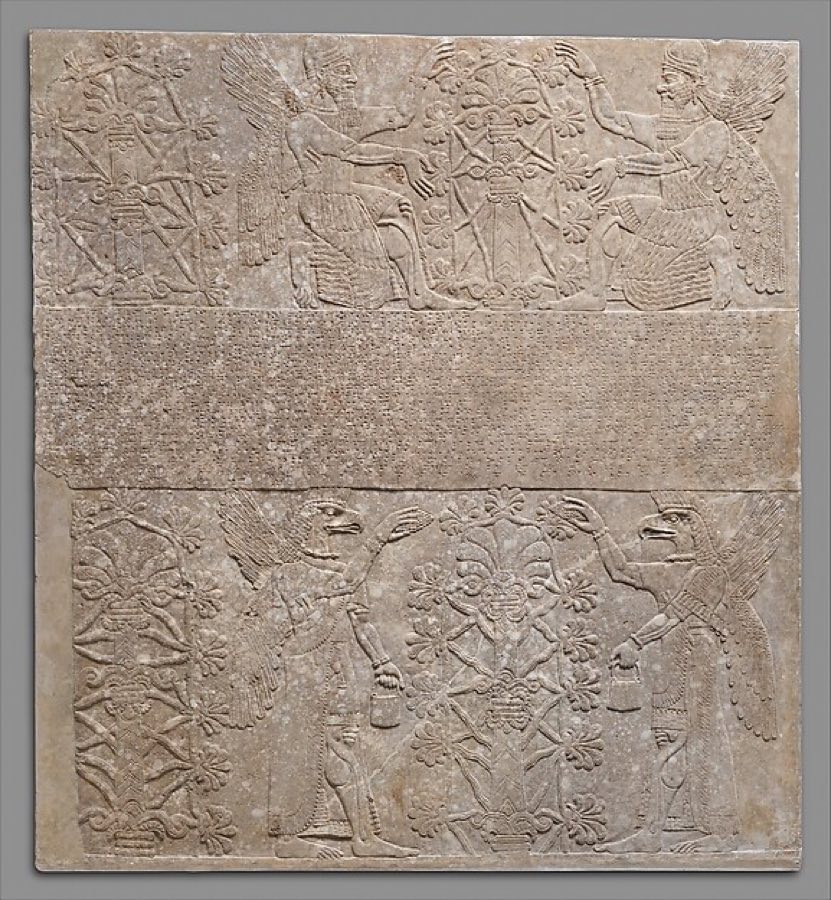
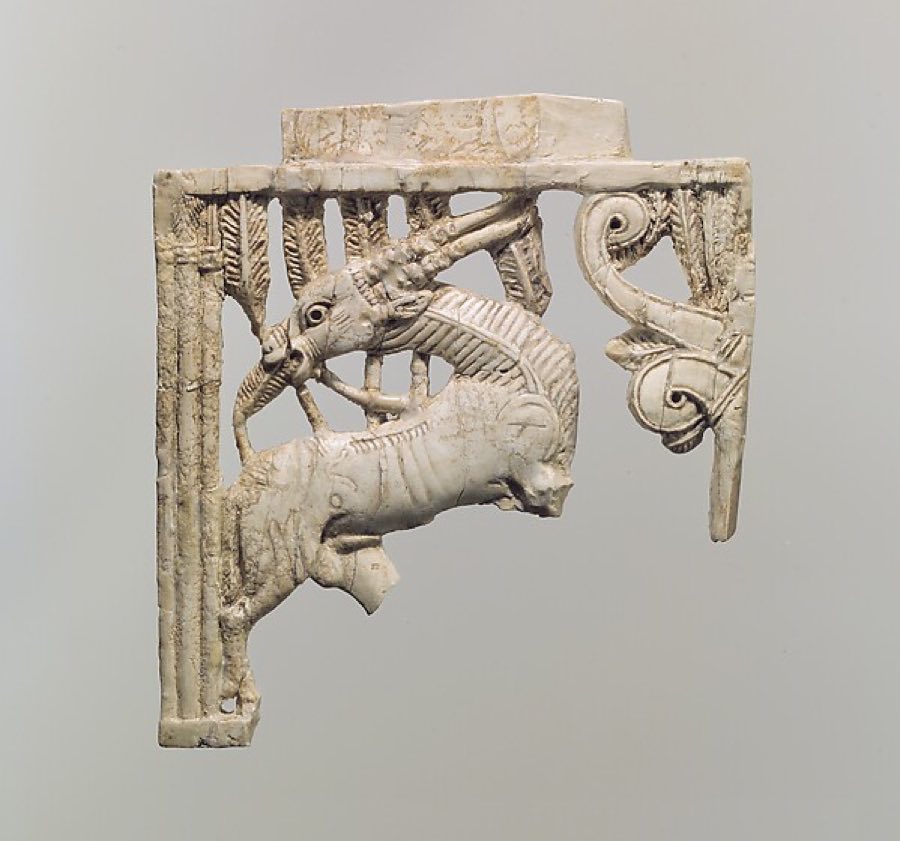
Assyria on the upper Tigris grew from a city-state at Assur into the Middle Assyrian kingdom around 1400 BCE and, in the Neo-Assyrian period (911–609 BCE), into the first empire to rule the whole Near East from Egypt to Iran, with capitals at Nimrud, Khorsabad and Nineveh. Its palaces were lined with the relief slabs and winged bull colossi now in London, Paris and Berlin; its libraries held tens of thousands of cuneiform tablets. Small finds include chalcedony cylinder and stamp seals with worship and contest scenes, Phoenician-style carved ivories from Nimrud, glazed bricks and vessels, bronze bowls and Lamashtu and Pazuzu amulets. Nineveh fell to the Babylonians and Medes in 612 BCE.
| Dates | 1400–609 BCE |
|---|---|
| Period | Neo-Assyrian |
| Region | Near East & Mesopotamia |
| Areas | Northern Iraq (Assur, Nimrud, Nineveh, Khorsabad), Syria (Tell Ahmar, Dur-Katlimmu), Southeastern Turkey |
| Typical objects | Seal, Tablet, Amulet, Figurine, Vessel, Bowl |
| Typical materials | Terracotta, Bronze, Faience, Glass, Bone and antler |
Identification
Neo-Assyrian seals show a worshipper before a god on an animal, a contest between a hero and a beast, or a stylised tree under a winged disc, cut with a drill in linear or 'cut style'; Babylonian seals of the same period favour the worshipper before symbols on altars. Palace ware is thin eggshell pottery. Relief fragments in gypsum with cuneiform bands across the figures are unmistakable and are almost all looted or old-collection pieces.
Legality
Iraq's Antiquities and Heritage Law No. 55 (2002) declares all antiquities state property and bans export; UN Security Council Resolution 1483 (2003) and the US Emergency Protection for Iraqi Cultural Antiquities Act (2004, restrictions since 2008) prohibit import of Iraqi cultural property removed after 1990. Syrian material is covered by Syria's 1963 Antiquities Law and US emergency restrictions since 2016, and Turkey's Law 2863 covers finds there. Nimrud and Nineveh were damaged and looted in 2014–17 and material from that horizon is banned everywhere.
Reproductions and fakes
Cylinder seals in the Neo-Assyrian style are cut in Iraq, Syria and Iran with power tools; clay tablets are forged with invented cuneiform and 'Assyrian relief fragments' are carved in modern gypsum. Genuine seals show wear at the drilled hole and softened edges; genuine tablets have a fired or sun-dried clay with salt efflorescence and a consistent scribal hand.
Photographs
Elsewhere
- met: 325562
- Wikidata: Q4810453
- Wikipedia: Assyrian culture
Cite this article
Stratum Study. "Assyrian" (Culture). Stratum Study pack 2026.09, as of 2026-09-21. https://stratum.black/study/cultures/assyrian. Accessed 2026-09-21.
@misc{stratum-assyrian,
  title        = {Assyrian},
  author       = {{Stratum Study}},
  howpublished = {\url{https://stratum.black/study/cultures/assyrian}},
  year         = {2026},
  note         = {Culture article, Stratum Study pack 2026.09, as of 2026-09-21; sources: stratum, wikidata, met. Accessed 2026-09-21.}
}
Citations carry the pack version and the article's as-of date so they resolve to the same text later. The facts themselves belong to the sources listed below; cite those for the science.