
Site · Israel
Masada
Roman, 37 BCE–74 CE
Masada is the mesa fortress on the Dead Sea where Herod the Great built palaces about 37–31 BCE and where Jewish rebels held out until the Roman Tenth Legion's siege ramp breached the wall in 73 or 74 CE, ending, according to Josephus, in mass suicide. The Roman siege works, camps and circumvallation wall are the most complete surviving anywhere.
| Country | Israel |
|---|---|
| Dates | 37 BCE–74 CE |
| Status | National Park and UNESCO World Heritage Site (2001) |
| Managed by | Israel Nature and Parks Authority |
| Access | Open daily from early morning with a cable car from the eastern visitor centre and the Snake Path for walkers; the Roman siege camps are visible from the summit. |
| Coordinates | 31.316, 35.354 (public site) |
What was found
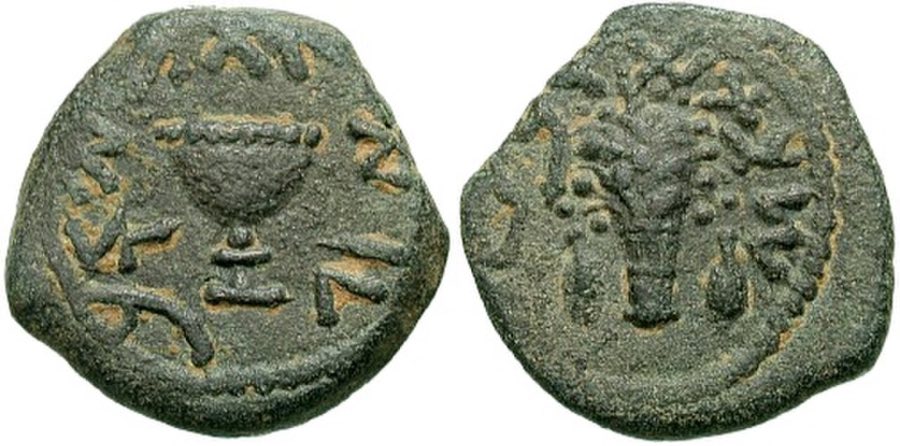
Yigael Yadin's excavations of 1963–65 uncovered Herod's northern palace, bathhouse and storerooms, the synagogue, the Zealots' living quarters, scroll fragments, ostraca including the 'lots' bearing names, coins of the Jewish revolt, textiles and food remains preserved by the desert.
Rules
Nothing may be collected; Israel's Antiquities Law (1978) vests all antiquities discovered after 1978 in the state and prohibits unlicensed excavation, and the National Parks Law protects the site. This article is for study and context only and is not a collecting locality.
Elsewhere
Cite this article
Stratum Study. "Masada" (Site). Stratum Study pack 2026.09, as of 2026-09-21. https://stratum.black/study/sites/masada. Accessed 2026-09-21.
@misc{stratum-masada,
  title        = {Masada},
  author       = {{Stratum Study}},
  howpublished = {\url{https://stratum.black/study/sites/masada}},
  year         = {2026},
  note         = {Site article, Stratum Study pack 2026.09, as of 2026-09-21; sources: stratum, wikidata, commons. Accessed 2026-09-21.}
}
Citations carry the pack version and the article's as-of date so they resolve to the same text later. The facts themselves belong to the sources listed below; cite those for the science.