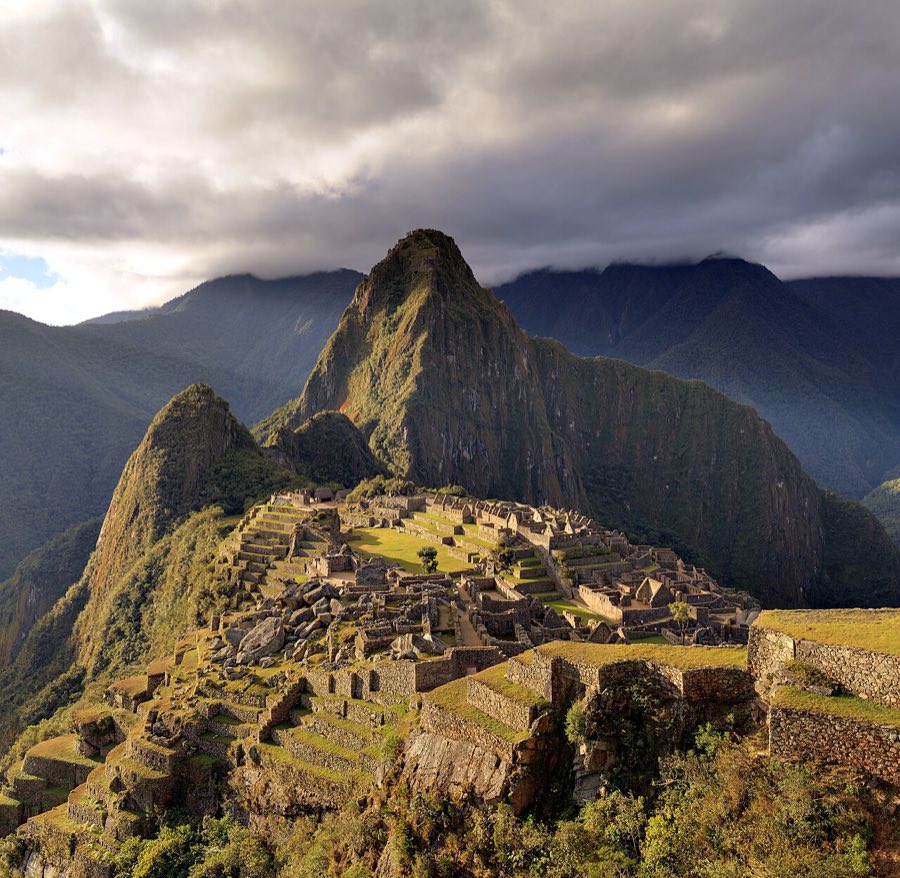

Culture · Late Horizon
Inca
1400–1532 CE, South America — Andes
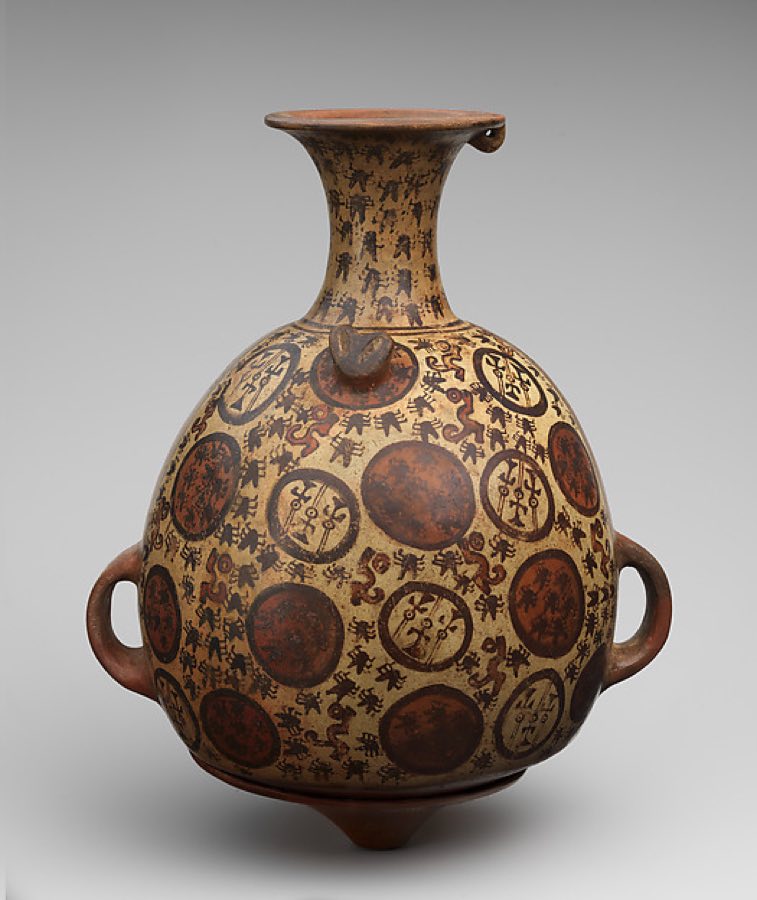
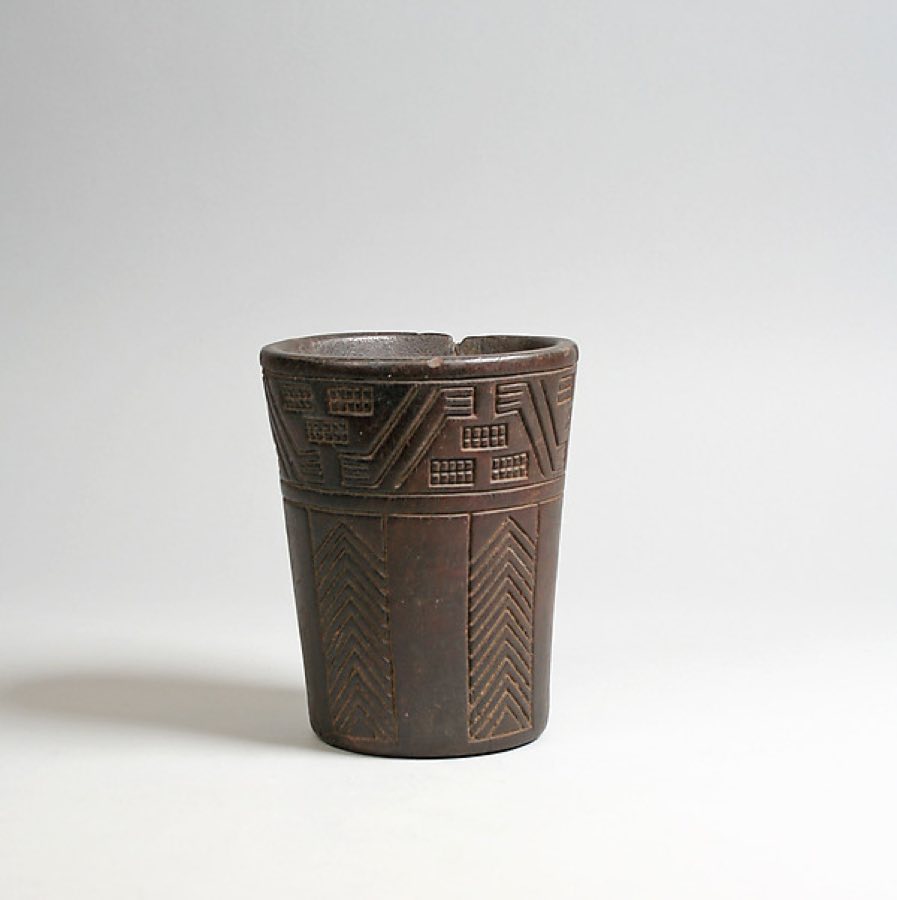
The Inca built the largest empire in the pre-Columbian Americas, expanding from Cuzco between about 1,400 and the Spanish conquest of 1532 to rule Peru, Bolivia, Ecuador and parts of Chile and Argentina. Their state produced standardised pottery, fine tapestry tunics, khipu records and silver and gold figurines. Collectors hold aryballos jars, keros (wooden or ceramic beakers), bronze tumi knives and pins (tupus), small metal figurines and textile fragments, the metal and textiles being the most restricted.
| Dates | 1400–1532 CE |
|---|---|
| Period | Late Horizon |
| Region | South America — Andes |
| Areas | Peru, Bolivia, Ecuador, Chile, Argentina |
| Typical objects | Jar, Vessel, Figurine, Bowl |
| Typical materials | Terracotta, Bronze, Silver, Gold |
Identification
Inca pottery is polychrome with geometric bands in red, black and white on a fine paste; the aryballos with pointed base and the shallow plate with a bird-head handle are the signature forms. Bronze tumis, tupu pins with disc heads, star-headed maces and miniature llama and human figurines in silver, gold and Spondylus are characteristic. Stone is precisely worked, and textiles use standardised tocapu designs.
Legality
Inca objects are national patrimony in Peru, Bolivia, Ecuador, Chile and Argentina with export prohibited; the United States has CPIA agreements with Peru, Bolivia, Ecuador and Chile. Only pieces with documented old collection histories are legitimately traded.
Reproductions and fakes
Inca metal figurines are forged in silver and gold with cast rather than hammered-sheet construction, and 'Inca' keros are made new in wood and lacquer for the tourist trade. Aryballos jars are faked less often than Moche or Nazca wares but are heavily restored. Textiles with tocapu designs are woven new and aged.
Photographs
Elsewhere
- met: 309389
- Wikidata: Q28573
- Wikipedia: Inca Empire
Cite this article
Stratum Strata. "Inca" (Culture). Stratum Strata pack 2026.09, as of 2026-09-21. https://stratum.black/strata/cultures/inca. Accessed 2026-09-21.
@misc{stratum-inca,
  title        = {Inca},
  author       = {{Stratum Strata}},
  howpublished = {\url{https://stratum.black/strata/cultures/inca}},
  year         = {2026},
  note         = {Culture article, Stratum Strata pack 2026.09, as of 2026-09-21; sources: stratum, wikidata, commons, met. Accessed 2026-09-21.}
}
Citations carry the pack version and the article's as-of date so they resolve to the same text later. The facts themselves belong to the sources listed below; cite those for the science.