Culture · Late Intermediate Period
Chancay
1000–1470 CE, South America — Andes
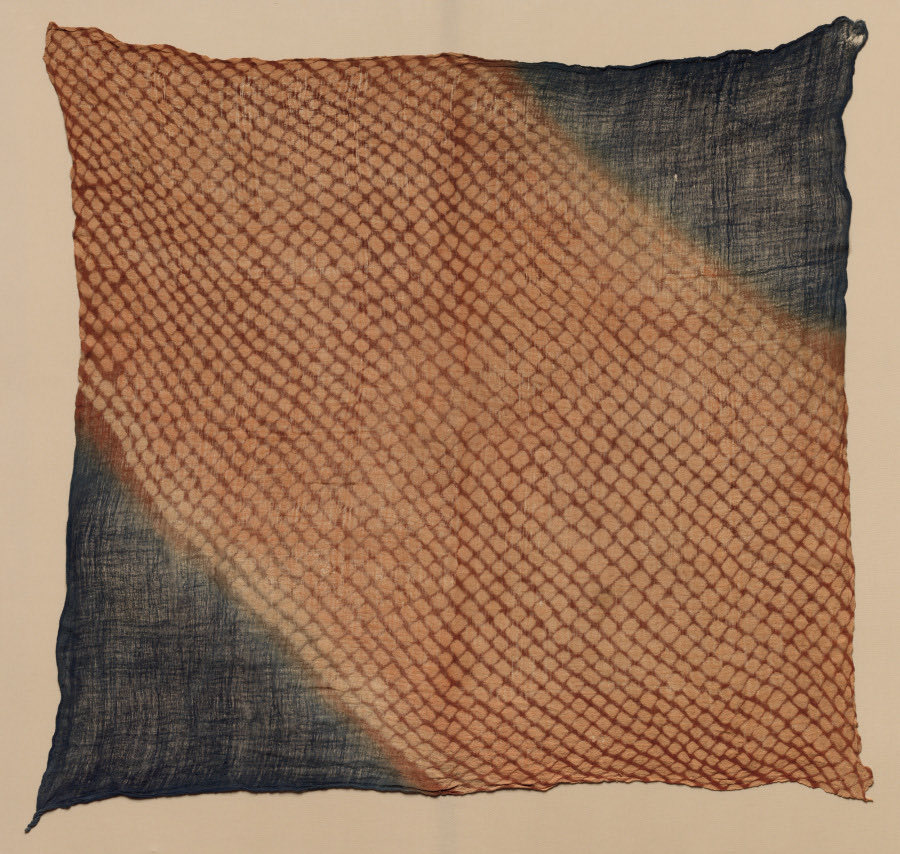
Chancay is the Late Intermediate Period culture of Peru's central coast north of Lima, about 1000–1470 CE, known from vast cemeteries in the Chancay and Huaura valleys where the desert preserved textiles, wooden objects and mummy bundles. Its ceramics are a coarse black-on-white ware: large egg-shaped jars with faces at the neck, and standing 'cuchimilco' figurines with raised arms and painted decoration. Chancay textiles include painted plain weaves, gauzes, tapestry and the stuffed dolls that are the culture's best-known product. The Inca absorbed the region around 1470.
| Dates | 1000–1470 CE |
|---|---|
| Period | Late Intermediate Period |
| Region | South America — Andes |
| Areas | Chancay, Huaura and Chillón valleys, central coast of Peru |
| Typical objects | Figurine, Vessel, Jar, Bowl, Bead |
| Typical materials | Terracotta, Marine shell, Silver |
Identification
Black-on-white slip with hasty geometric painting on a chalky fabric is diagnostic; Chimú blackware and Inca polychrome are entirely different. Cuchimilco figurines have splayed arms, painted black and white bodies and are solid or hollow. Textiles in natural cotton with brown and blue are typical, with painted cloth and gauze the most specific.
Legality
Peru's Law 28296 (2004) declares all pre-Columbian material national property and prohibits its export, and the US–Peru CPIA agreement (since 1997) bars import without documentation of prior lawful export. Chancay textiles and dolls were exported in bulk before 1970 and pieces from that period are the lawful stock on the market.
Reproductions and fakes
Composite dolls assembled from ancient cloth with modern faces are the main problem; cuchimilco figurines are reproduced in Lima and aged with soil. Genuine pottery has worn paint, salt deposits and a soft fabric.
Elsewhere
- Wikidata: Q1061632
- Wikipedia: Chancay culture
Cite this article
Stratum Strata. "Chancay" (Culture). Stratum Strata pack 2026.09, as of 2026-09-21. https://stratum.black/strata/cultures/chancay. Accessed 2026-09-21.
@misc{stratum-chancay,
  title        = {Chancay},
  author       = {{Stratum Strata}},
  howpublished = {\url{https://stratum.black/strata/cultures/chancay}},
  year         = {2026},
  note         = {Culture article, Stratum Strata pack 2026.09, as of 2026-09-21; sources: stratum, wikidata, cleveland. Accessed 2026-09-21.}
}
Citations carry the pack version and the article's as-of date so they resolve to the same text later. The facts themselves belong to the sources listed below; cite those for the science.