
Culture · Iron Age
Scythian
800–200 BCE, Central Asia & Steppe
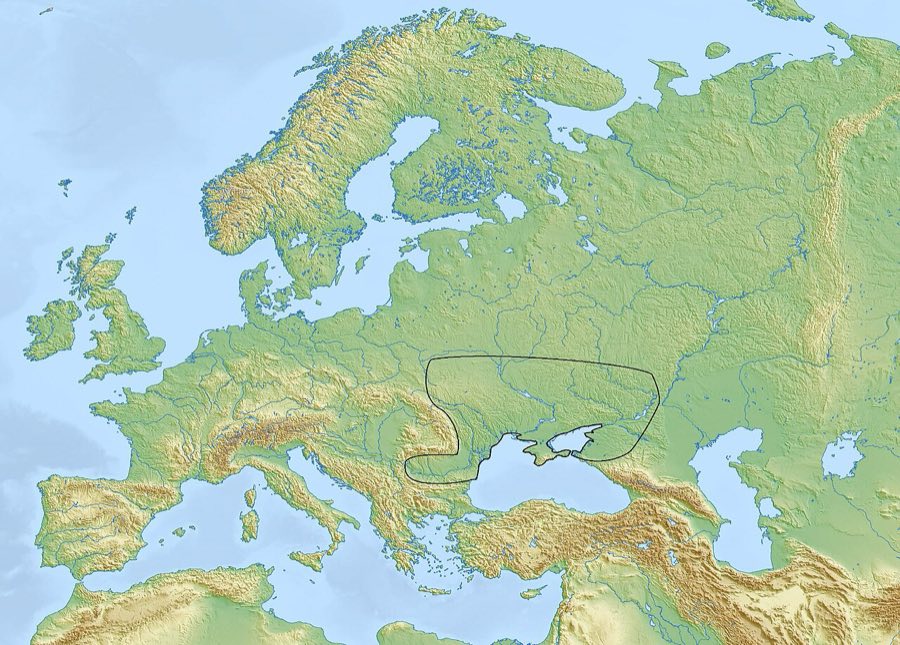
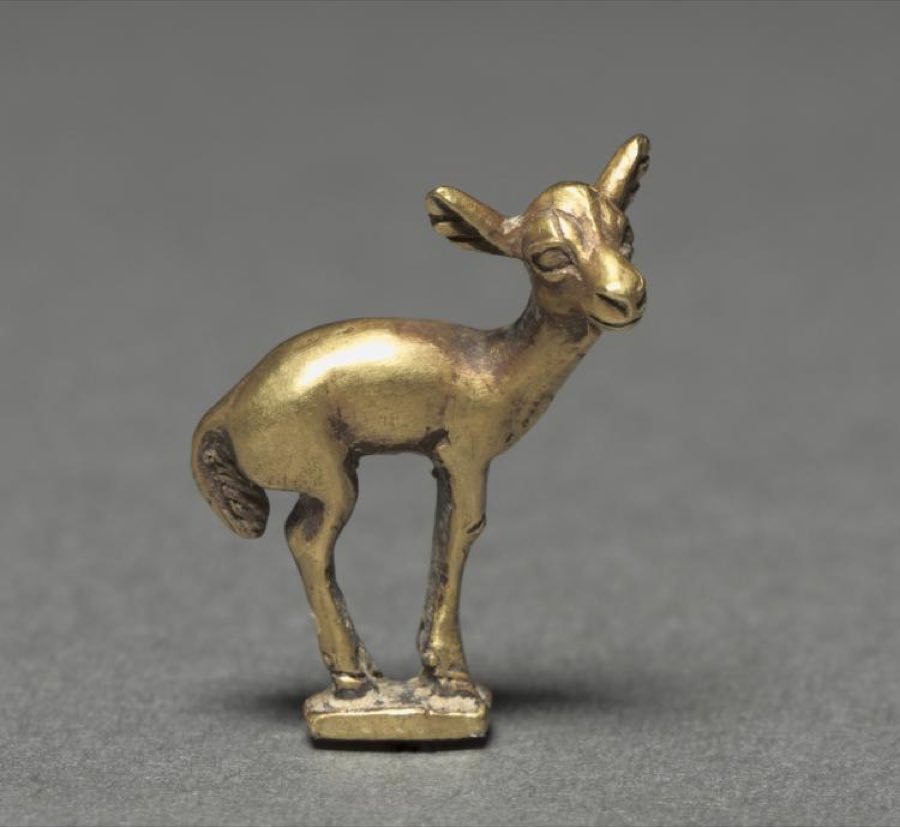
The Scythians were nomadic horse archers of the Pontic steppe and related Saka peoples of Central Asia from about 800 to 200 BCE, known from Herodotus and from frozen and gold-rich kurgans. Their animal-style art in gold, bronze and wood is among the great achievements of the ancient world. Collectors hold cast bronze trilobate arrowheads, akinakes daggers, horse-harness fittings, bronze mirrors and small gold plaques; major gold comes only from state museums.
| Dates | 800–200 BCE |
|---|---|
| Period | Iron Age |
| Region | Central Asia & Steppe |
| Areas | Pontic Steppe, Ukraine, Southern Russia, Kazakhstan |
| Typical objects | Projectile point, Dagger, Pendant, Mirror |
| Typical materials | Bronze, Gold, Iron |
Identification
Trilobate socketed bronze arrowheads, short akinakes daggers with heart-shaped guards, bronze cauldrons on a foot, animal-style plaques of coiled felines and stags, and mirrors with a central loop handle are the signature objects. Pottery is plain and hand-made. Gold work is sheet with repoussé and granulation, often on wooden cores.
Legality
Ukraine, Russia and Kazakhstan claim archaeological finds as state property with export bans, and the war in Ukraine has intensified looting of kurgans and international concern; Bulgaria, Romania and Hungary have similar laws for Thracian and steppe material. Arrowheads circulate in bulk from old finds but any gold or major bronze should be presumed illicit without paper.
Reproductions and fakes
Scythian gold is faked in Ukraine and Russia, sometimes convincingly, and the ancient plaque form is easy to reproduce by stamping sheet gold from moulds; genuine gold shows wear on high points and often traces of the organic backing. Bronze animal-style fittings are cast from originals and patinated, and trilobate arrowheads are modern castings in great numbers.
Photographs
Elsewhere
- Wikidata: Q114205276
- Wikipedia: Scythian culture
Cite this article
Stratum Study. "Scythian" (Culture). Stratum Study pack 2026.09, as of 2026-09-21. https://stratum.black/study/cultures/scythian. Accessed 2026-09-21.
@misc{stratum-scythian,
  title        = {Scythian},
  author       = {{Stratum Study}},
  howpublished = {\url{https://stratum.black/study/cultures/scythian}},
  year         = {2026},
  note         = {Culture article, Stratum Study pack 2026.09, as of 2026-09-21; sources: stratum, wikidata, commons, cleveland. Accessed 2026-09-21.}
}
Citations carry the pack version and the article's as-of date so they resolve to the same text later. The facts themselves belong to the sources listed below; cite those for the science.