
Culture · Late Bronze Age
Hittite
1650–1180 BCE, Near East & Mesopotamia
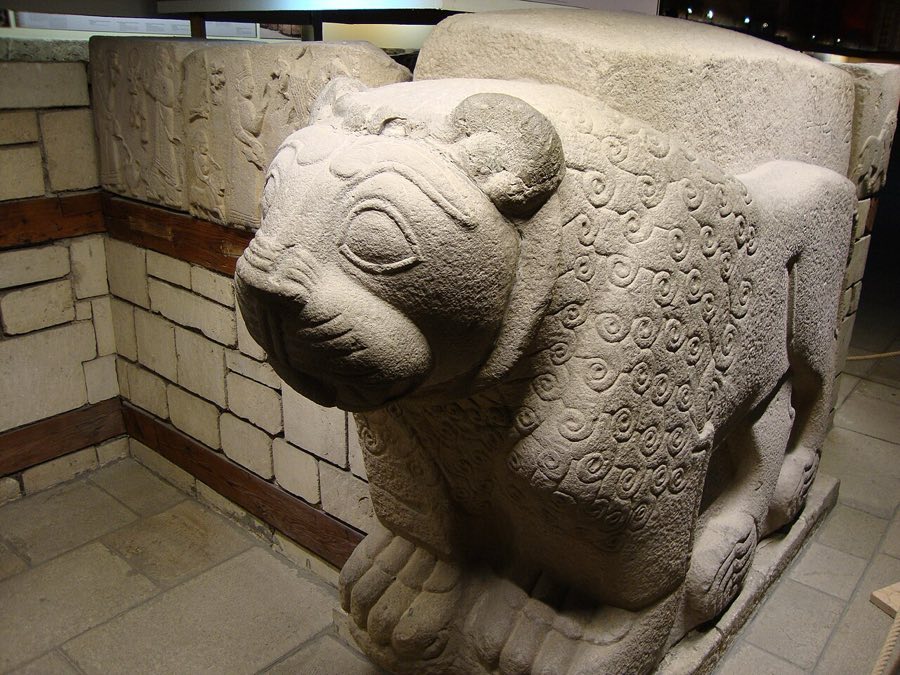
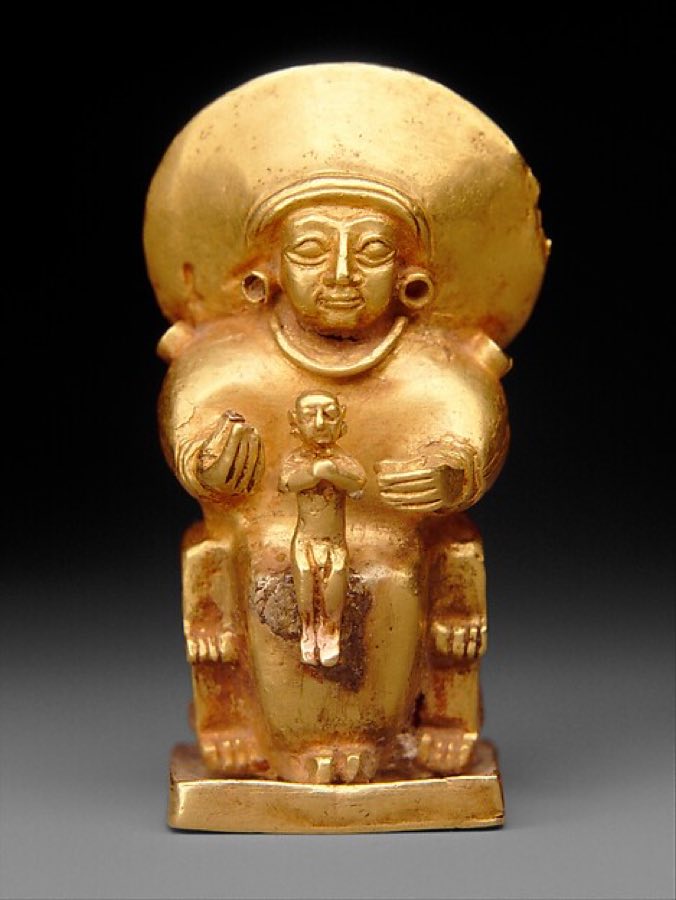
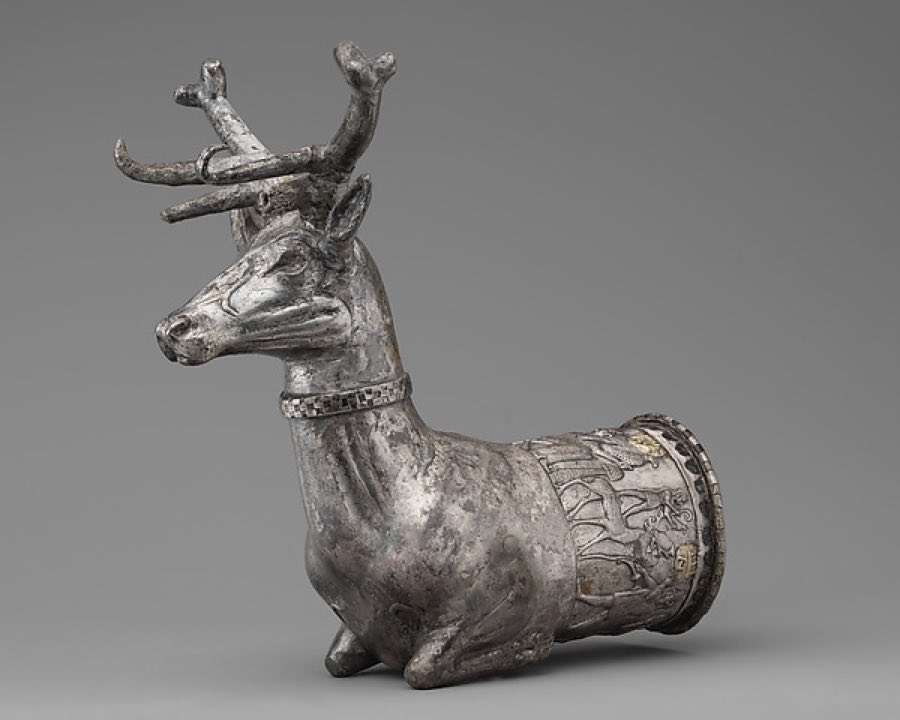
The Hittite kingdom ruled central Anatolia from its capital Hattusa from about 1650 BCE and became a great power that fought Egypt at Kadesh and fell around 1180 BCE at the end of the Bronze Age. Its archives of cuneiform tablets in the Indo-European Hittite language, its stamp and signet seals with hieroglyphic Luwian, and its rock reliefs at Yazılıkaya and monumental gate sculptures are its main legacy. Small finds include bronze figurines of gods with pointed caps, gold pendant figures, lead figurines, bull-shaped rhyta and the beak-spouted pottery of the period. The Neo-Hittite states of Syria continued the tradition into the Iron Age.
| Dates | 1650–1180 BCE |
|---|---|
| Period | Late Bronze Age |
| Region | Near East & Mesopotamia |
| Areas | Central Anatolia (Hattusa, Alaca Höyük), Cilicia, Northern Syria (Carchemish, Aleppo) |
| Typical objects | Tablet, Seal, Figurine, Vessel, Spearhead, Axe head |
| Typical materials | Bronze, Terracotta, Gold, Silver |
Identification
Hittite seals are stamp seals with a hieroglyphic centre and cuneiform ring, or biconvex 'tudittum' seals, unlike Mesopotamian cylinders; standing gods in short kilts with tall pointed conical caps are the standard figurine. Red burnished beak-spouted jugs and libation arms are the Old Hittite pottery. Alaca Höyük standards and sun discs are earlier (Early Bronze Age Hattian).
Legality
Turkey's Law 2863 (1983) on the Protection of Cultural and Natural Property declares all antiquities state property, prohibits their export and criminalises unauthorised excavation; Turkey has had a US CPIA agreement since 2021 covering archaeological material through the Ottoman period. Syria's Antiquities Law of 1963 and US emergency restrictions on Syrian material (since 2016) cover Neo-Hittite objects. Hittite material lacking pre-1970 documentation is effectively unsaleable in the reputable trade.
Reproductions and fakes
Hittite bronze and gold figurines are copied in Turkey with cast reproductions of museum pieces; genuine bronzes show heavy layered corrosion and casting flaws, and gold pendants are tiny and finely worked. Seals with invented hieroglyphs are a recurring forgery.
Photographs
Elsewhere
- met: 327401
- Wikidata: Q5406
- Wikipedia: Hittites
Cite this article
Stratum Strata. "Hittite" (Culture). Stratum Strata pack 2026.09, as of 2026-09-21. https://stratum.black/strata/cultures/hittite. Accessed 2026-09-21.
@misc{stratum-hittite,
  title        = {Hittite},
  author       = {{Stratum Strata}},
  howpublished = {\url{https://stratum.black/strata/cultures/hittite}},
  year         = {2026},
  note         = {Culture article, Stratum Strata pack 2026.09, as of 2026-09-21; sources: stratum, wikidata, commons, met. Accessed 2026-09-21.}
}
Citations carry the pack version and the article's as-of date so they resolve to the same text later. The facts themselves belong to the sources listed below; cite those for the science.