
Material · metal
Electrum
Europe — Mediterranean, Near East & Mesopotamia
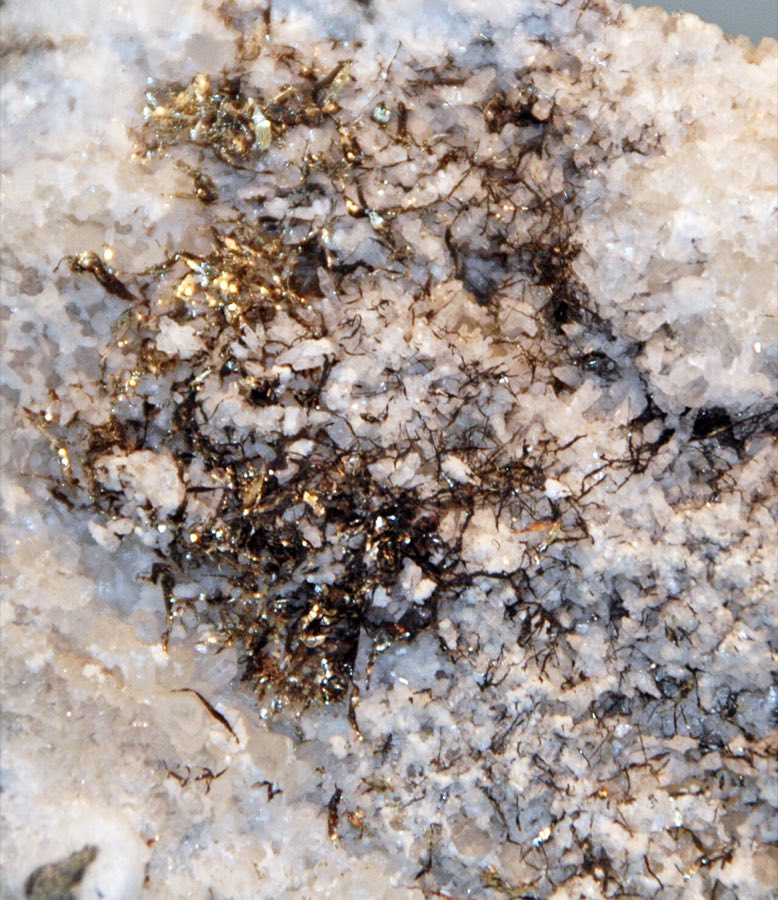
Electrum is the natural gold-silver alloy of the rivers of Lydia and Ionia, struck into the first coins in the seventh century BCE, and used for jewellery and vessels in Egypt and the Near East. Lydian and Ionian electrum staters and their fractions are among the most important early coins. It ranges from pale yellow to nearly white.
| Kind | metal |
|---|---|
| Regions | Europe — Mediterranean, Near East & Mesopotamia |
Sources
Natural electrum came from the Pactolus River at Sardis and other Lydian and Ionian sources, and from Nubia; later coinage used alloyed metal. The Lydian kings controlled the Pactolus deposits and used them to finance the first coinage.
Identification
Electrum is paler than gold, from yellow to whitish depending on silver content, and early coins show a punch-marked reverse and a lion, stag or other type on the obverse. Artificial electrum was later made by alloying. Weight standards identify mints.
Substitutes and fakes
Early electrum coins are faked by striking and casting, and modern alloys mimic the colour; die studies and metallurgy are the checks. Provenance matters as Turkey restricts export.
Elsewhere
- Wikidata: Q239481
- Wikipedia: electrum
Cite this article
Stratum Study. "Electrum" (Material). Stratum Study pack 2026.09, as of 2026-09-21. https://stratum.black/study/materials/electrum. Accessed 2026-09-21.
@misc{stratum-electrum,
  title        = {Electrum},
  author       = {{Stratum Study}},
  howpublished = {\url{https://stratum.black/study/materials/electrum}},
  year         = {2026},
  note         = {Material article, Stratum Study pack 2026.09, as of 2026-09-21; sources: stratum, wikidata, commons. Accessed 2026-09-21.}
}
Citations carry the pack version and the article's as-of date so they resolve to the same text later. The facts themselves belong to the sources listed below; cite those for the science.