
Culture · Upper Palaeolithic
Magdalenian
17000–12000 BCE, Europe — Western & Central
The Magdalenian is the final Upper Palaeolithic culture of western and central Europe, about 17,000 to 12,000 years ago, and the peak of Ice Age art, from Lascaux and Altamira to engraved antler and carved spear-throwers. Reindeer and horse hunters occupied rock shelters in the Dordogne, Pyrenees and Cantabria and spread north as the ice retreated. Collectors hold backed bladelets, burins, end scrapers and borers from excavated shelters; harpoons, needles and decorated antler are essentially museum objects.
| Dates | 17000–12000 BCE |
|---|---|
| Period | Upper Palaeolithic |
| Region | Europe — Western & Central |
| Areas | France, Iberia, Central Europe |
| Typical objects | Harpoon head, Blade, Microlith, Pendant |
| Typical materials | Bone and antler, Flint |
Identification
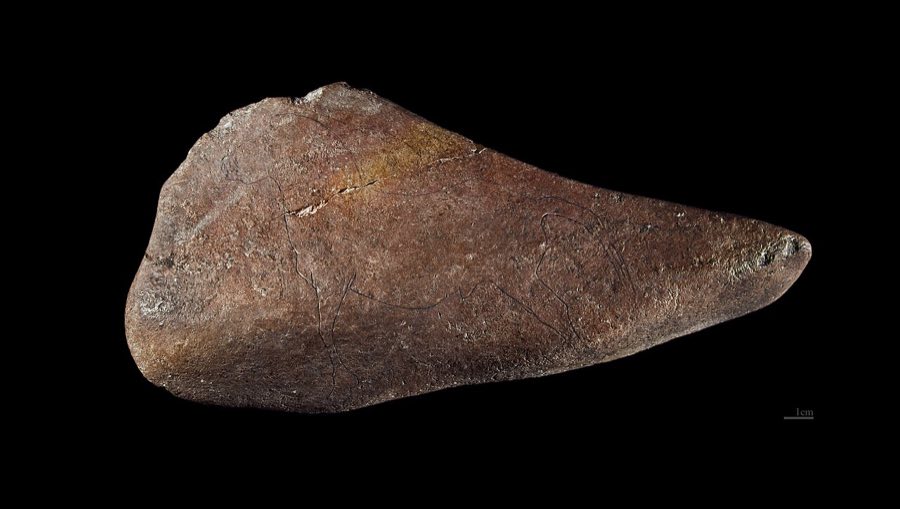
Magdalenian flintwork is a microlithic blade industry with backed bladelets, dihedral and parrot-beak burins and small end scrapers. Antler harpoons with one or two rows of barbs, eyed needles, bâtons percés and engraved plaquettes define the bone industry. Portable art shows animals in accurate profile with hatched shading.
Legality
Magdalenian sites in France and Spain are state-protected, with finds state property and export controlled; only old documented collections are legitimately held privately, and decorated objects are subject to particular scrutiny. Britain has a Late Upper Palaeolithic industry (Creswellian) with similar rules under the PAS.
Reproductions and fakes
Engraved bone and antler in Magdalenian style has been forged since the nineteenth century, with the Glozel affair and the Grotte de Chaffaud pieces as cautionary tales; fakes engrave modern or old bone with steel tools and stain the surface. Genuine engravings show tool tracks with a V or U section made by flint and patina inside the lines. Flint tools are rarely faked.
Elsewhere
- Wikidata: Q693549
- Wikipedia: Magdalenian
Cite this article
Stratum Strata. "Magdalenian" (Culture). Stratum Strata pack 2026.09, as of 2026-09-21. https://stratum.black/strata/cultures/magdalenian. Accessed 2026-09-21.
@misc{stratum-magdalenian,
  title        = {Magdalenian},
  author       = {{Stratum Strata}},
  howpublished = {\url{https://stratum.black/strata/cultures/magdalenian}},
  year         = {2026},
  note         = {Culture article, Stratum Strata pack 2026.09, as of 2026-09-21; sources: stratum, wikidata, commons. Accessed 2026-09-21.}
}
Citations carry the pack version and the article's as-of date so they resolve to the same text later. The facts themselves belong to the sources listed below; cite those for the science.